
Homeowners and businesses are considering solar solution due to rising energy costs and frequent power outages. If you’re one of them, considering installing a solar power system, selecting one of the top solar companies can make the process smoother and more efficient. This informative blog will walk you through all stages of solar installation, ensuring you’re well-prepared for each step. Adopting solar energy in Pakistan comes with numerous advantages, including lower to zero electricity bills, minimum to no impact of load shedding, and a contribution to a sustainable environment. However, understanding the installation process is required to make the right decision. This informative blog walks you through the entire journey, from initial consultation to post-installation support, helping you anticipate what lies ahead and make the transition seamlessly smooth!
1. Initial Consultation and Site Assessment

Consultation
Before initiating the installation process an initial consultation and site assessment is required. Schedule an initial consultation with a solar energy company. During this phase, you’ll discuss your energy needs, budget, and preferences. The solar company will explain different system options available, for instance grid-tied, off-grid, or hybrid an explain the characteristics of each. Moreover, initial consultation will also equip you with a rough estimate of costs and potential savings. This stage is essential to understand how solar can integrate into your lifestyle or business operations.
Site Assessment
Next step includes the solar company conducting a site assessment to determine the feasibility of installing solar panels on your property. Furthermore, this involves roof inspection for structural strength, alignment, sunlight exposure, and checking for any obstructions like shades or buildings. Additionally, they will assess your electrical system to ensure it can integrate with the new solar setup. The outcome is a customized system design that fits your specific needs and site conditions.
2. System Design and Proposal
Design Phase
The solar company will design a solar panel system as per your requirements, based on site assessment. To capture maximum sunlight, determining the optimal placement of solar panels is crucial. Choosing the appropriate inverter type—whether string, micro, or hybrid—is also essential, as is deciding whether battery storage is necessary.. You will receive a detailed proposal highlighting everything including the system design, layout, equipment specifications, installation timeline, and cost.
Proposal Review
Read, Read, Read the proposal thoroughly. Review the proposal carefully, ask questions, and make sure you understand every aspect of the plan. Therefore, ensuring that you are comfortable with the design and the financial commitment before proceeding forward.
3. Permitting and Approvals
Permitting Process
In Pakistan, solar solution installation requires various permits and approvals from local authorities and utility companies. The selected solar company will handle this paperwork, submitting applications that include technical details and compliance reports for you. This process can take a few weeks, so patience is key. Successful permitting ensures that your system meets all legal and safety standards, paving the way for a smooth installation and avoiding any problems in future.
4. Procurement and Installation

Equipment Procurement
Once the permitting process is complete, the company will begin procurement process. It’ll procure the necessary components, including solar panels, inverters, mounting hardware, and other accessories. The equipment will be delivered to your site, making it ready for installation.
Installation Steps
The installation process typically involves:
- Site Preparation: Installation area is cleared and prepared.
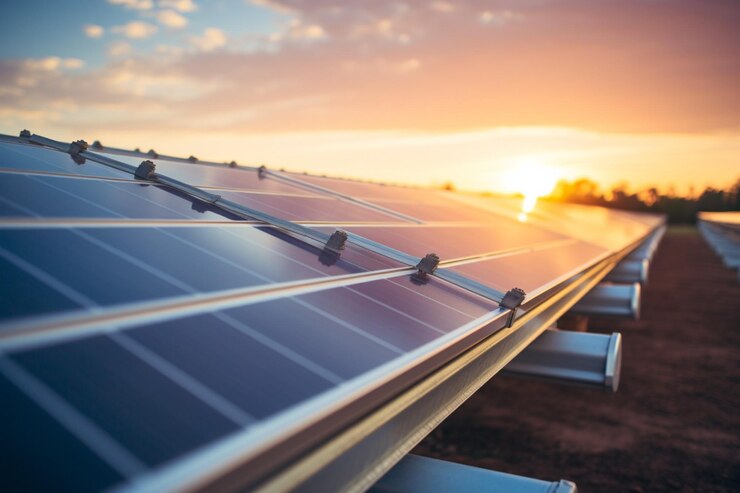
- Mounting System: The mounting hardware is secured to your roof or ground.
- Panel Installation: Solar panels are installed as per the design plan.
- Electrical Work: Connect the panels to the inverter and integrate them with your electrical system.
This phase usually takes a few days to a week, depending on the system size and complexity.
5. System Testing and Commissioning
Testing
After installation is complete, the solar system undergoes testing to ensure it is operating as it should. The company will check the output of the panels and inverter, and conduct a safety inspection to confirm everything meets the quality standards.
Commissioning
Officially activating the system ( commissioning ) and synchronizing it with the local grid if it’s a grid-tied system. The green energy installer will also set up monitoring systems to track performance and provide you with the tools to manage and monitor your system effectively. There are mobile apps for this purpose, as well.
6. Training and Handover
User Training
The top solar companies will provide training on operating and maintaining your new sustainable power system. This includes basic operation, routine maintenance tips, and troubleshooting common issues. Proper training ensures you can maximize the benefits of your sustainable investment.
Handover
Once training is complete, the company will officially hand over the system to you, providing all necessary documentation and contact information for future support.
7. Post-Installation Support and Maintenance
Ongoing Support
Best solar companies offer after sales support to ensure your system continues to perform efficiently This includes regular maintenance, technical support, and assistance with any warranty claims. Continuous support helps in addressing any operational issues and maintaining system efficiency.
Conclusion
Installing a solar power system in Pakistan with the help of a professional solar energy company simplifies the transition to renewable energy. From the initial consultation to post-installation support, understanding each phase helps you make informed decisions and enjoy the full benefits of solar energy. Embrace the shift towards sustainability and take control of your energy future with confidence.