
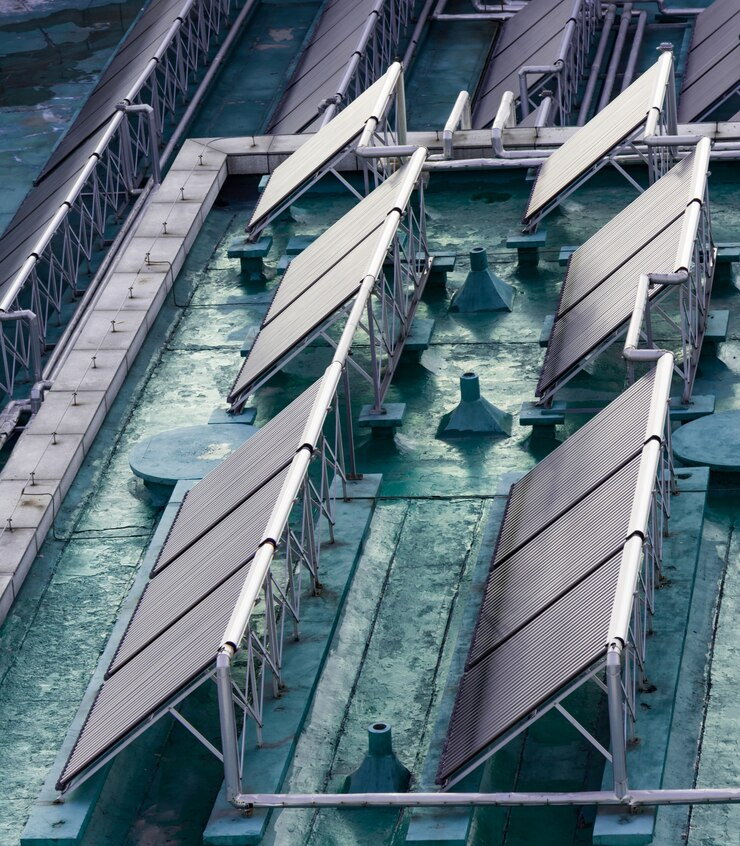
With the increasing frequency of extreme weather events, the solar panels resistance has become a primary concern for many homeowners and businesses. Hurricanes, hailstorms and heavy rains give rise to substantial threats to infrastructure, and understanding how solar panels withstand under such weather conditions is essential for those considering solar energy investments. This blog discusses the durability of solar panels in extreme weather conditions, and practical actions to ensure their longevity and performance. As adoption of renewable energy increases, solar solutions have become common around the world. However, the rising incidence of extreme weather events, including heavy rainfall, increasing concerns about the durability and reliability of these panels. Are solar panels reliable enough to withstand powerful winds, hail, and heavy rain?
How Durable Are Solar Panels?

1. Engineering and Materials
Solar panels resistance is incredible as panels are manufactured to withstand harsh environmental conditions including extreme weather. Despite their glassy aesthetic appearance, high-quality solar panels are usually made from thick tempered glass and monocrystalline silicon, which builds them with remarkable strength and efficiency. Moreover, melting pure silicon and cutting it into wafers forms monocrystalline silicon, now imagine the efficiency and durability of panels.
Top solar manufacturers provide solar panels with lowest degradation rates and longest lifespans. The usual timespan of solar panels is 25-30 years!
2. Rigorous Testing
Manufacturers often put solar panels through a rigorous testing process to ensure resilience. They are usually certified by organizations, which evaluate their quality, safety, and durability. To make sure the panels can survive tough weather situations.
Effects of Extreme Weather on Solar Panels

1. Wind Resistance
Solar panels are manufactured in a way to resist strong winds. Most panels can endure wind speeds of up to 140 miles per hour (mph), equivalent to 2,400 pascals. Given that Category 3 hurricanes (classified as major hurricanes) have wind speeds between 111 and 129 mph, therefore, high-quality solar panels can withstand these weather situations without high damage. The design of solar mounting systems, which secure the panels to roofs or ground structures, also plays a crucial role in their wind resistance.
2. Hail Protection
Although huge hailstone strikes can be devastating, manufacturers test solar panels to withstand them. Between 2009 and 2013, the National Renewable Energy Laboratory documented hail damage in just 0.1% of solar systems. (NREL).
3. Rain and Water Resistance
Solar panels are waterproof inherently, with connectors and materials designed to resist moisture infiltration. Heavy rain does not harm the panels; in fact, it can clean the surface, boosting their efficiency. After rainstorms, residual water droplets can act as mini lenses, reflecting light and boosting energy generation. Solar panels’ waterproof design ensures that rain, regardless of intensity, does not degrade their performance or structure.
Preparing Your Solar Panels for Hurricanes
1. Pre-Storm Precautions
While removing solar panels completely before a storm is impractical and unnecessary, but certain steps can safeguard your investment:
- Document System Condition: Don’t forget to capture your solar panels before the storm to have evidence for insurance claims if damage occurs.
- Secure Panels: Ensure that mounting systems are intact and panels are securely fastened.rely fastened.
- Check for Insurance Coverage: Verify your insurance policy covers potential damage from extreme weather.
2. Inspection Post-Hurricane
After a hurricane, it’s crucial to inspect your solar panels for any visible damage:
- Visual Inspection: Look for cracks, dislodged panels, or exposed wires from a safe distance.
- Professional Assessment: Contact a professional for a thorough inspection, especially for rooftop panels, to avoid the risks associated with damaged electrical systems.
Do Solar Panels Work During Hurricanes?
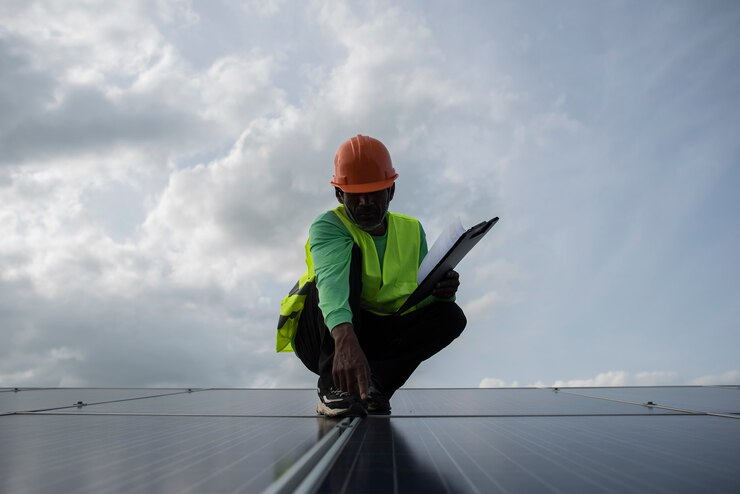
Solar panels can still generate electricity during hurricanes, but at lower efficiency due to cloud coverage hence less sunlight presence and heavy rain. However, if the grid goes down, solar systems connected to it must halt power generation to protect utility workers. This is where having a battery backup system is required. Such systems store energy for use during outages, ensuring you have power when the grid is compromised.
Conclusion
Solar panels are designed and manufactured to be highly durable and reliable, capable of withstanding the harsh conditions posed by hurricanes, hail, and heavy rainfall. Advances in materials, design, and rigorous testing ensure that modern solar panels remain reliable and efficient, even in the face of extreme weather. For homeowners and businesses in hurricane-prone areas, investing in high-quality solar panels and taking appropriate precautions can provide peace of mind and sustained energy generation despite challenging weather.
Reach us at:
Number: 0311 1306666
Email: info@trisunenergies.com
Website: trisunenergies.com