
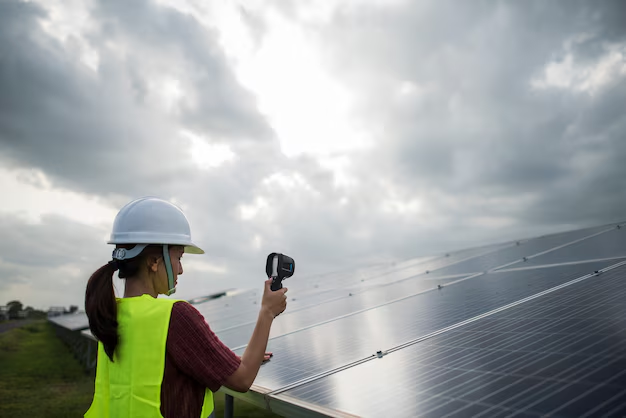
Switching to solar energy is a decision that yields unlimited benefits including financial and environmental. But have you ever wondered what makes a solar energy system a go to choice for everyone? Let’s talk about the world of solar energy and discuss the key components that power these systems, ensuring you get the most out of the sun’s endless energy. Each component has its own significance in yielding sustainable solar energy.
1. Solar Panels – The Integral Component
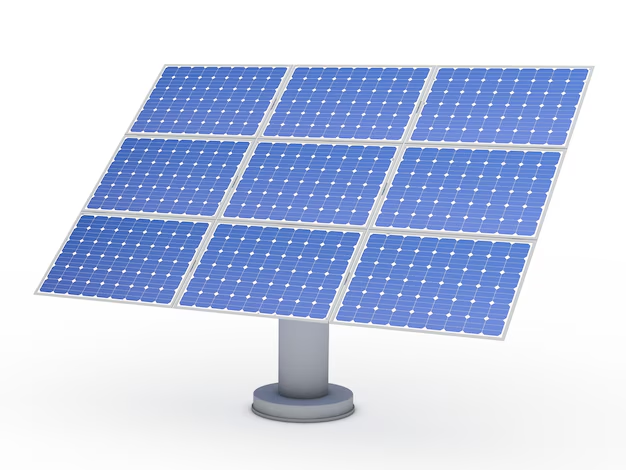
Solar panels are the integral and widely known part of any solar energy system. Often seen on rooftops or large open field areas. Anyone aware of the solar energy system is also aware of solar panels. Solar panels consist of photovoltaic (PV) cells, which convert sunlight into electricity. Let’s discuss how they work:
- Photovoltaic Effect: Sunlight hitting the surface of PV cells excites electrons, producing an electric current.
- Efficiency Matters: Modern sophisticated panels are designed to capture maximum sunlight with advancements continuously improving their efficiency.
Fun Fact: Did you know that solar panels have the power to generate electricity even on cloudy days? They don’t need direct sunlight to work, just need the light!
2. Inverter – The Backbone Component
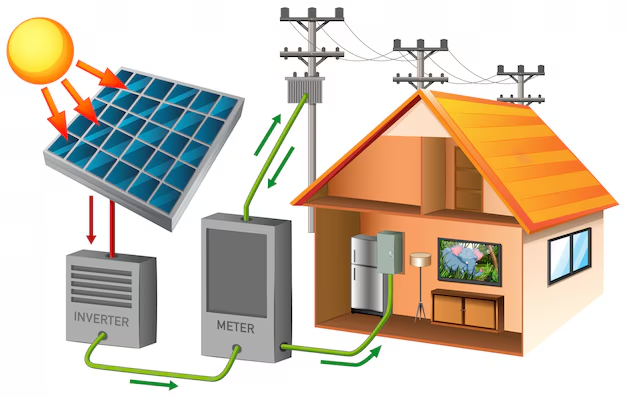
Solar panels produce electricity but it is direct current (DC), whereas homes and businesses require alternating current (AC). This is where the inverter, the essential component, comes in:
- Conversion Process: The inverter converts the DC electricity from the panels into AC electricity that can be used by electrical appliances.
- Types of Inverters: There are numerous types of inverters, including string inverters, microinverters, and power optimizers, each with its own benefits. Don’t forget to optimize each panel individually, enhancing overall system efficiency.
Interesting Insight: Certain inverters now come with the latest technology. Moreover, you can monitor the performance of your system in real-time via a smartphone app.
3. Mounting System- Securing Your Panels
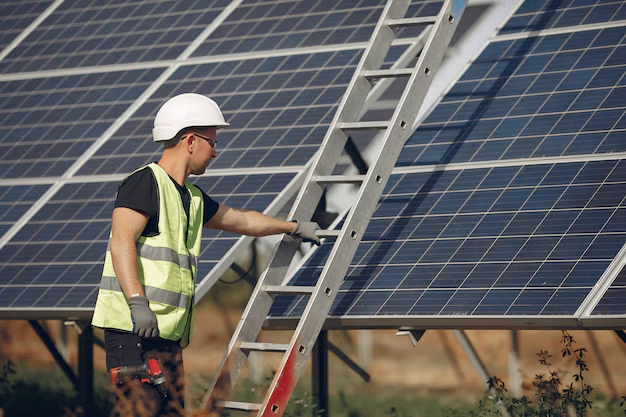
The mounting system is required to secure the solar panels in place, ensuring they are optimally positioned to capture maximum sunlight. Here’s what you must know:
- Types of Mounts: Roof mounts, and ground mounts are the most common. The selection depends on your property’s layout and area available..
- Angle and Direction: Proper angles and directions of installation maximize sun exposure, significantly boosting energy production.
Did You Know?: In the northern hemisphere, solar panels facing south capture the most sunlight throughout the day.
4. Battery Storage – Power Anytime
One of the greatest advancements of all time in solar technology is battery storage. Batteries store excess energy produced during the day. This stored electricity can be used at night or during cloudy periods.
- Energy Independence: Battery storage decreases your reliance on the grid by providing energy security during power outages.
- Types of Batteries: Lithium-ion batteries are the most popular ones due to their efficiency and longer lifespan compared to lead-acid batteries.
Pro Tip: Solar panels with battery storage allows you to go completely off-grid if desired, making you entirely energy self-sufficient.
5. Charge Controller – Protecting Your Batteries
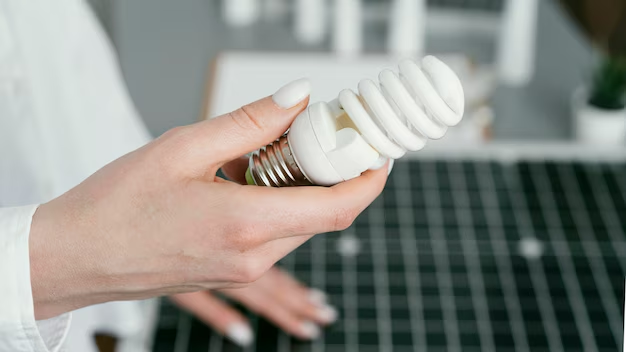
The charge controller helps to regulate the energy flowing from the solar panels to the batteries, preventing overcharging hence increasing the life of the battery.
- Functionality: It ensures that the batteries are charged at the correct voltage and prevents overcharging, providing protection from damages..
- Types: There are two main types: Pulse Width Modulation (PWM) and Maximum Power Point Tracking (MPPT). MPPT controllers are more efficient and are often used in larger systems.
Quick Fact: An MPPT charge controller can improve your system’s efficiency by up to 30% compared to a PWM controller.
Conclusion
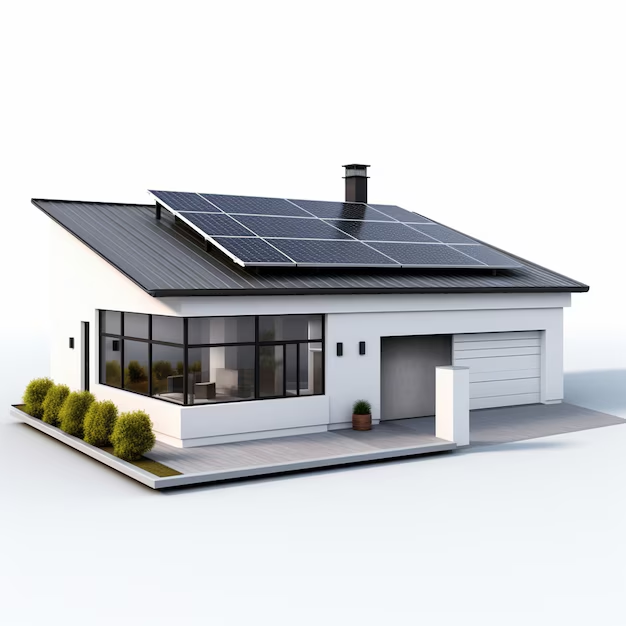
Understanding the key components of a solar energy system helps to analyze how solar power works and highlights the role of each part in solar solution. From the solar panels that capture sunlight to the inverters that convert it, the mounting systems that secure them, the batteries that store energy, and the charge controllers that protect your investment, each component plays its own role.
Switching to solar is not just about using the power of the sun; it’s about embracing a sustainable future, gaining energy independence, and contributing to a healthier planet.
Ready to start your solar journey?
Reach us at:
Number: 0311 1306666
Email: info@trisunenergies.com
Website: trisunenergies.com