

Selection of the ideal type of solar system for your home or industry is required to optimise your energy efficiency and long-term savings. The three widely known types of solar systems are on-grid, off-grid, and hybrid—each have its own unique advantages. This blog will reveal the differences and decide which solar system best fits your needs.
1. Understanding On-Grid Solar Systems
An on-grid solar system, also known as a grid-tied system, is connected directly to the local electricity grid. This system generates sustainable energy from solar panels and exports additional energy back to the grid, reducing your energy bills. A drawback is that it does not provide power during a blackout, as it relies on the grid for electricity supply when the sun isn’t shining.
When to Choose an On-Grid Solar System:
- For a solar installation in an area with a reliable electricity grid.
- To lower your electricity bills via net metering.
- No requirement of backup power during power outages.
2. Considering Off-Grid Solar Systems
As the name suggests, it is independent of the local utility grid. It generates and stores the electricity. This makes off-grid solar systems suitable for remote locations, which often don’t have access to the local grid. You must be wondering how off-grid solar systems function independently of the grid. Let us help you, an off-grid system includes batteries to store energy generated by solar solutions. This stored electricity is used to meet your energy needs during the night or cloudy days. This energy independence costs a bit more, it requires a larger upfront investment for batteries. Moreover, it would need to be equipped with substantial storage capacity to support properties with high energy needs.
When to Choose an Off-Grid Solar System:
- For solar installation in a remote location with no connection to the electricity grid.
- If you aim to achieve energy independence and achieve control over your power supply.
- If you are ready to invest in batteries and backup systems for continuous power.
3. Evaluating Hybrid Solar Systems
The advantages of both on-grid and off-grid solar systems are combined in a hybrid system. It comes with a battery storage option to store additional energy in addition to being connected to the nearby grid. Therefore, a hybrid system allows you to sell additional electricity back to the grid and consume stored energy during power outages. For people seeking a security of backup energy during blackouts , hybrid systems are ideal. However, as batteries are an added expense, they are typically more costly.
When to Choose a Hybrid Solar System:
- If there are frequent power outages where you reside.
- If you want to save money on electricity bills by storing additional energy and using it during power outages.
- In order to maintain a balance between grid connectivity and energy independence.
Assess Your Energy Needs and Location
Determine the energy requirements and location of your property before selection of appropriate solar system—hybrid, on-grid, or off-grid—for installation. An on-grid or hybrid system if your energy consumption is high and steady. While in distant areas without grid connectivity, an off-grid system might be the ideal for installation. Moreover, you must also consider the weather where you live; places with fewer sunny days might gain more from a hybrid system.
Consult a Solar Professional for Advice
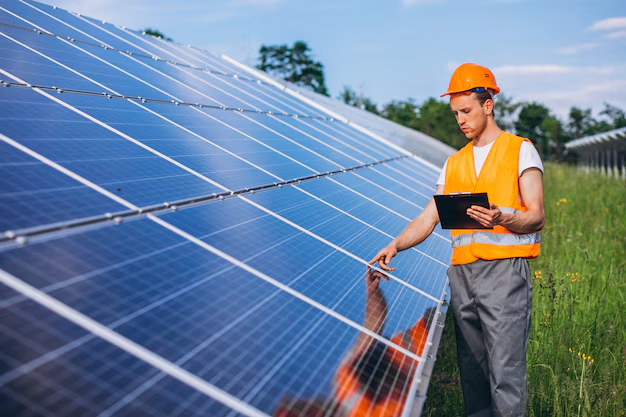
A solar expert can provide you with adequate knowledge you need to make a wise choice. As they are able to assess energy requirements of your property and suggest the best solar system. Making sure your system of choice fits within your budget and energy goals might be facilitated by having a professional assessment.
Conclusion
The location, energy requirements, budget, and future plans of your property all play a great role in selection of the optimal solar system, be it hybrid, off-grid, or on-grid. Making the appropriate decision and guaranteeing a dependable and effective energy source for your house or business will depend on your understanding of the distinct advantages and limits of each system.
Reach us at:
Number: 0311 1306666
Email: info@trisunenergies.com
Website: trisunenergies.com