

Many Pakistani homeowners are facing confusion whether to go for an off-grid or on-grid solar system as solar energy is gaining popularity. Each system comes with its own benefits, however the best selection will rely on your budget, location, and energy requirements. This informative blog to assist you in making an informed choice for your property, by discussing essential distinctions between off-grid and on-grid systems.
Understanding the On-Grid Solar System
An on-grid solar system is directly connected to the electricity grid. This connection implies any surplus electricity (produced electricity – consumed electricity) produced by solar panels is fed back into the grid. You can use the grid to get electricity on days or nights when your solar system isn’t producing enough energy.
Advantages of On-Grid Solar Systems
- Reduced Upfront Costs: As on-grid systems are connected to the electricity grid, they don’t need pricey batteries for energy storage. Hence on-grid solar systems are usually less costly.
- Net Metering: Net metering allows homeowners to sell extra solar energy back to the grid, crediting them for it, therefore lowering their monthly electricity bills.
- Reliability: Even in situations where your solar panels aren’t generating enough power, you will always have access to electricity because the system is connected to the grid.
Disadvantages of On-Grid Solar Systems
- Grid Dependency: An on-grid system’s primary drawback is its dependence on the local grid. Even if your solar panels are working well, your house will be out of electricity in the event of a power outage.
- No Backup During Blackouts: In areas where power outages are frequent, such as rural Pakistan, on-grid systems may not be ideal without a backup energy source.
Understanding the Off-Grid Solar System
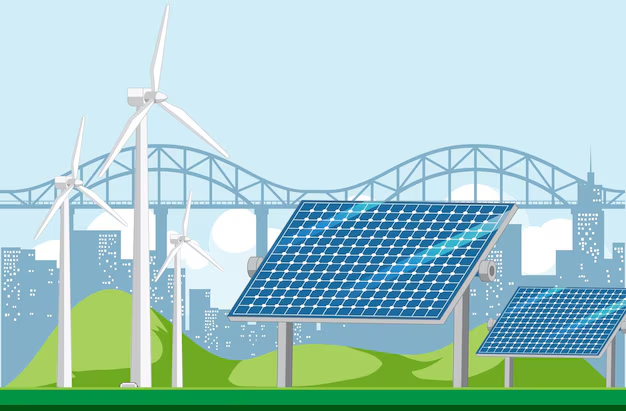
An off-grid solar system is completely independent of the local electricity grid. It generates power from solar panels and stores excess energy in batteries for use during nighttime or overcast weather. This system is ideal for homes located in remote areas where the electricity grid is unreliable or unavailable.
Advantages of Off-Grid Solar Systems
- Energy Independence: An off-grid system makes its users independent and unaffected by power outages or grid failures.
- Ideal for Rural Areas: In remote parts of Pakistan where the electricity grid is unstable, off-grid systems provide consistent power supply.
Disadvantages of Off-Grid Solar Systems
- High Initial Costs: The requirement of off-grid systems to have solar batteries for energy storage, increases the overall cost of installation.
- Limited Energy Storage: The performance of the system is reliant on capacity of the battery.
- Maintenance: Off-grid systems require maintenance to ensure that the batteries and other components function efficiently.
Which One is Best for You?
Now that you understand the basic differences between on-grid vs off-grid systems, it’s time to evaluate which option is best for your home in Pakistan. Here are a few factors to consider:
- Location and Grid Availability:
For an urban area with reliable access to the electricity grid, an on-grid solar system is a great choice. It will allow you to enjoy the benefits of solar energy while staying connected to the grid for backup power. On the other hand, if you live in a rural area where grid access is limited or unreliable, an off-grid system would be more suitable. - Budget Considerations:
On-grid systems are usually cost-friendly due to the absence of battery storage. If you reside in a location with unreliable electricity and high electricity costs, the long-term savings from an off-grid system might offset the greater initial cost. - Energy Independence:
An off-grid solar system provides the necessary independence if your objective is to be totally energy independent. You won’t be dependent on the grid or have to cope with erratic electricity prices. - Electricity Consumption:
A hybrid system that combines off-grid and on-grid capabilities can be a better choice if your home is energy-intensive and you frequently encounter power outages. This enables you to remain connected to the grid and store energy in batteries for emergencies.
Conclusion
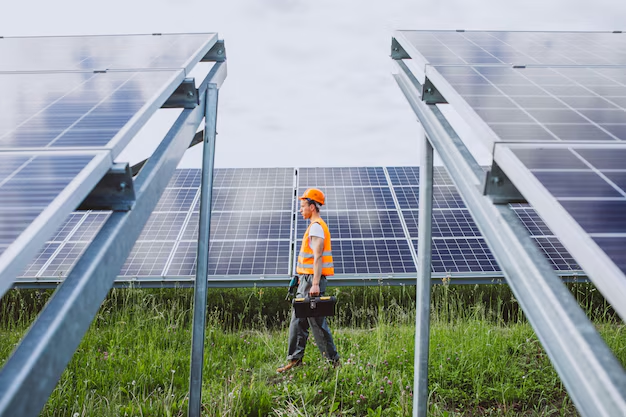
The selection of on-grid or off-grid systems would require a number of factors, such as location, spending capacity, and energy requirements. For individuals looking for a low-cost option with grid access, an off-grid system works best; for those looking for complete energy independence in places with erratic electricity, an on-grid system is the best option.
Consider your long-term objectives, the energy use of your house, and the local grid reliability before making a choice. You may save your electricity costs, take advantage of solar energy, and help Pakistan become a greener country with the correct system.