

Some parts of Pakistan experience more power outages than other but no matter where you are it’s never fun when the power suddenly goes out. When it comes to generators vs batteries, there are mainly two options available to prepare for a power outage. Generators and batteries have similar function but are different devices, each offers its own pros and cons. The optimal choice depends on circumstances and priorities of individual users.
Understanding Generators

Generators convert mechanical energy into electrical energy, typically powered by fuels such as gasoline, diesel or natural gas. Generators supply electricity during power outages, keeping essential appliances and systems running smoothly.
Pros of Generators:
- Extended Power Supply: With sufficient fuel supply, generators can run smoothly for extended period of time. This makes them ideal for longer power outage duration.
- High Power Output: Generators have capacity to power entire homes, including high-wattage appliances like refrigerators, and water heaters.
- Immediate Activation: Many standby generators are equipped with automatic transfer switches that detect power loss and activate the generator promptly.
Cons of Generators:
- Noise Levels: Generators are noisy during operation, which might be disruptive in residential areas.
- Fuel Dependency: Reliance on fossil fuels means ongoing fuel costs and potential challenges during fuel shortages. Moreover, the reliance on fossil fuel an carbon emission makes generators non eco-friendly.
- Maintenance Requirements: Regular maintenance, including oil changes and system checks, is essential to ensure reliable operation.
Understanding Battery Backup Systems

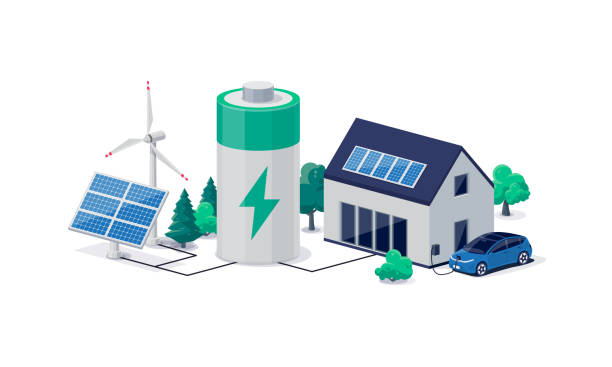
Battery backup systems store electrical energy for use during power outages. Batteries are often charged via the traditional grid or renewable energy sources like solar panels, providing a seamless transition during power outages.
Pros of Battery Backup Systems:
- Silent Operation: Batteries operate without producing any noise, ensuring a quiet environment during use.
- Low Maintenance: With fewer moving parts, battery systems require minimal maintenance compared to generators.
- Environmental Friendliness: When charged using renewable energy, battery backups offer a clean power solution with no direct emissions.
Cons of Battery Backup Systems:
- Limited Duration:The battery’s capacity determines the backup length, which could not be enough for extended outages.
- High Initial Costs: The upfront investment for battery systems can be substantial, especially for setups with significant storage capacity.
- Capacity Constraints: The efficiency of the system for whole-house backup may be limited by high-wattage appliances that rapidly drain battery reserves.
Key Considerations in Decision-Making : Generators vs. Batteries
1.Initial Investment & Operational Costs:

Generators vs. batteries terms of cost, battery backups are the pricier option upfront. Generators need fuel to run, which means that you’ll spend more money over time to maintain a consistent fuel supply. When using battery backups, you will have to pay for both the installation and the backup battery system. Which battery model you select and how many you need to power your house will determine the exact cost. The typical cost of a battery backup system.
The upfront expenses are slightly lower for generators. Keep in mind that running a generator requires fuel, which will raise your operating costs. The size, fuel type, and quantity of fuel required to run your generator are some of the variables that will affect the precise prices.
2. Environmental Impact:
Generators release greenhouse gases into the atmosphere, which leads to pollution. However, battery systems reduce carbon emissions and provide a cleaner option, particularly when charged using renewable energy.
3. Maintenance:
In this category, battery backups come out on top. They don’t emit any emissions, are quiet, run independently, and don’t need constant upkeep. However, when in operation, generators can be very noisy and annoying. They also emit exhaust or fumes, depending on which type of fuel they use to run — which may irritate you or your neighbors.
Conclusion : Generators vs. Batteries

Selecting between a generator and a battery backup system hinges on individual priorities and circumstances. For people who need continuous electricity for high-demand appliances and are willing to handle fuel and maintenance duties, generators are perfect. On the other hand, battery backup systems, particularly when combined with renewable energy sources, appeal to customers who are concerned about the environment and are looking for a quiet, low-maintenance option. You can choose the backup option that best suits your lifestyle by evaluating your unique power requirements, financial constraints, and environmental factors.
Reach us at:
Number: 0311 1306666
Email: info@trisunenergies.com
Website: trisunenergies.com