
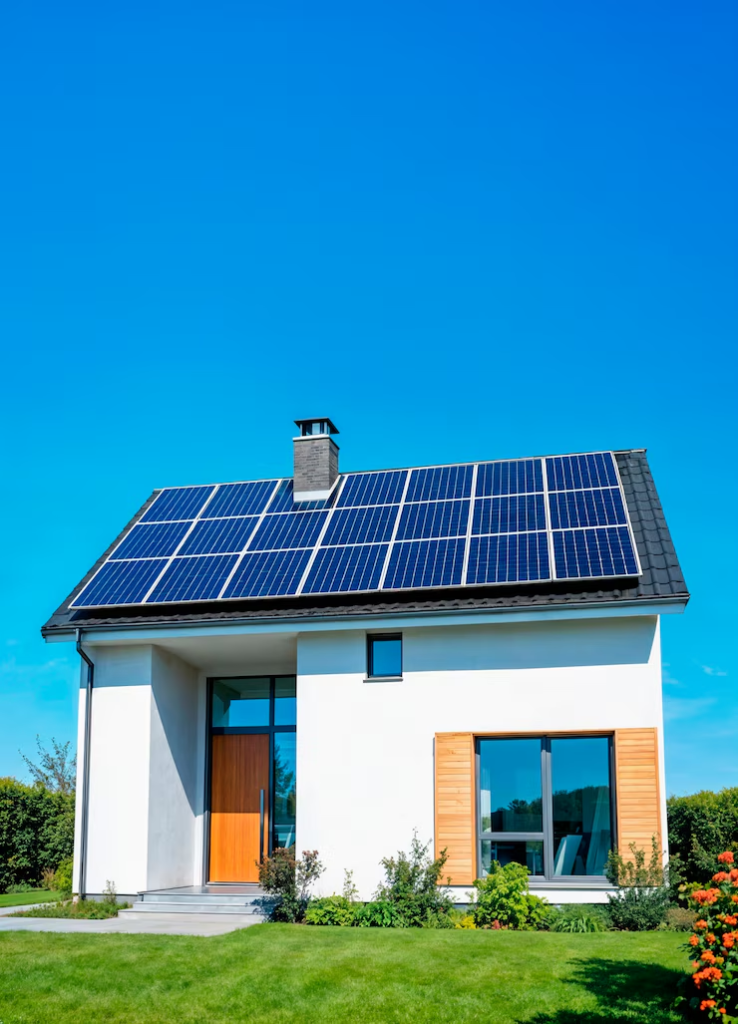
Are you planning to go solar but are confused between bifacial vs monofacial solar panels? You’re not the only one. With the solar market experiencing the latest technologies, making the right choice can feel overwhelming, especially when investing your hard-earned money in your home or business’s energy future.
Even if these names feel unfamiliar, don’t worry, we will discuss everything in detail.
What Are Bifacial and Monofacial Solar Panels?

The main key in bifacial vs monofacial solar panels is in the way they capture sunlight.
- 1. Monofacial panels, the traditional ones, which you often see on rooftops in Karachi, absorb sunlight only from the front side.
- 2. Bifacial panels, as the initial of the name suggests, ‘Bi’, are designed to capture sunlight from both the front and the back. It increases the energy production, especially in areas with reflective surfaces like sand, tiles, or cement.
It’s like having a solar panel that works smarter by using both sides of the panel to meet your energy needs.
Why People Choose Monofacial Solar Panels?

Monofacial panels are commonly used and trusted. They’re reliable, easier to install, and more cost-friendly for rooftops with limited exposure or shade. If your roof or surface doesn’t reflect light well, the rear side of bifacial panels might not make much of a difference, making monofacial panels the more economical choice.
In the bifacial vs monofacial solar panels debate, monofacial systems win when you are looking for simplicity, lower installation costs, and quick returns.
The Powerful Edge of Bifacial Solar Panels
Bifacial solar panels can increase energy production by up to 10–30%, depending on your location and the type of surface below them. They’re ideal for open spaces like industrial rooftops, ground-mounted systems, or solar farms where light can bounce onto the back side of the panel.
When comparing bifacial vs monofacial solar panels, bifacial panels offer better performance in the long run, especially in sunny climates like Pakistan’s.
Cost Comparison: Bifacial vs Monofacial Solar Panels
Now let’s discuss about costs of Bifacial and Monofacial solar panels because price matters a lot when planning solar.
- Monofacial panels are usually cheaper, both in terms of material cost and installation. On average, they can cost around PKR 16,500 per panel, depending on the quality and wattage.
- Bifacial panels, which are technologically more advanced, are usually10–20% more expensive, with prices on average PKR 17,500 per panel. Installation may also cost more due to special mounting systems and alignment needs.
However, in the bifacial vs monofacial solar panels cost debate, it’s essential to consider long-term savings. Bifacial panels generate more electricity, potentially reducing your bills significantly over time, offsetting the higher upfront costs.
Which One Should You Choose?
Your ideal choice depends on your goals and space availability:
- If you have a tight budget, limited roof space, or shaded areas, you must go for Monofacial solar panels.
- If you’re installing in an open, reflective area and want maximum output and long-term savings, go for Bifacial solar panels.
When it comes to bifacial vs monofacial solar panels, it’s not just about what’s better — it’s about what works best for you.
Final Thoughts

The bifacial vs monofacial solar panels debate doesn’t have a one-size-fits-all answer. But with the right guidance and a clear understanding of your energy needs and site conditions, you can make a smart, cost-effective choice.
Still confused? Contact us for a free consultation to analyze your space and needs. Your perfect solar solution is just a decision away.
FAQs
1. Which solar panel is more efficient?
Bifacial solar panels are generally more efficient because they absorb sunlight from both the front and back sides, increasing total energy output by up to 30% in ideal conditions. However, the actual gain depends on the installation setup and the surrounding surface reflectivity.
2. Are bifacial solar panels worth the extra cost?
Yes, for many users. While bifacial panels initially cost more than monofacial panels, they offer higher energy production, especially in open, reflective areas. Over time, this increased output can lead to greater savings on your electricity bills, making them a smart long-term investment.
3. Can I install bifacial solar panels on my home roof?
Yes, but it depends on your roof type. Bifacial panels perform best on reflective or light-colored surfaces and when there’s enough space for sunlight to reach both sides. If your roof has shade or lacks reflectivity, monofacial panels might be more suitable.
Number: 0311 1306666
Email: info@trisunenergies.com
Website: trisunenergies.com