
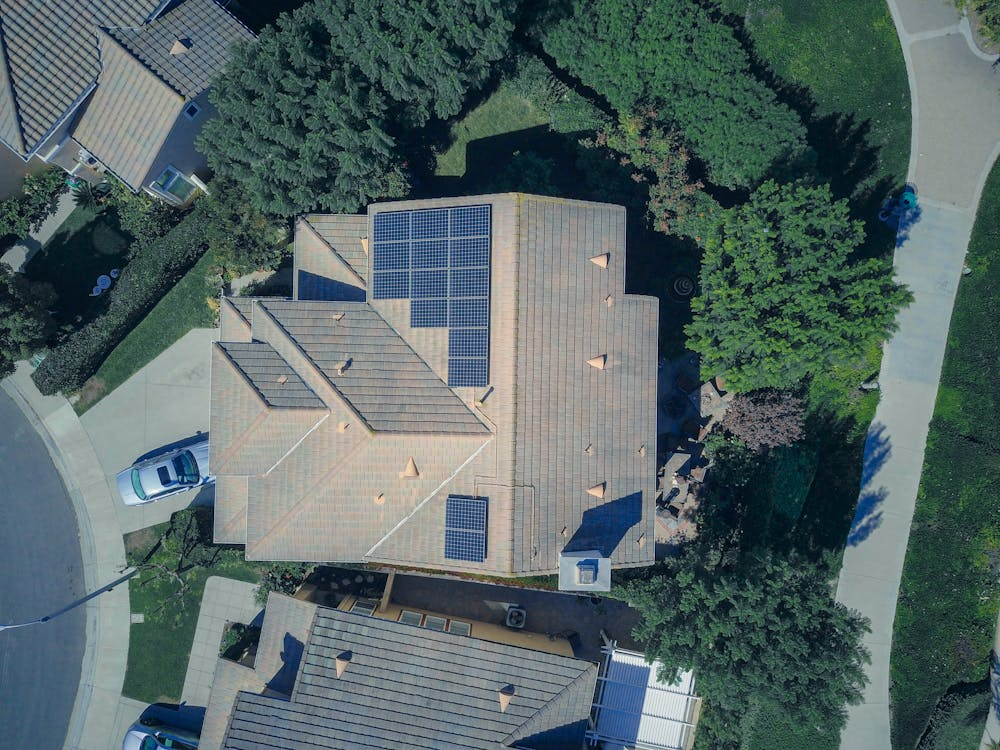
Electricity bills in Pakistan are high and unpredictable. One month your bill is manageable, the next month it feels shocking. Add load shedding, low voltage, and sudden power trips, and life becomes uncomfortable, especially for families. That’s why more homeowners are now searching for the best solar system in Pakistan that can actually work reliably for daily household needs.
But here’s the problem,
Most people don’t understand solar systems properly. They hear terms like hybrid, on-grid, off-grid, net metering, and get confused. This guide is written for normal people, not engineers so by the end, you’ll clearly know which solar system is best for your home in Pakistan in 2025.
Why Choosing the Best Solar System in Pakistan Is Important for Homes
A solar system is a long term decision. It’s a decision that affects your home for the next 15 to 25 years. Choosing the wrong system can lead to disappointment, wasted money, and constant worry..
Many homeowners face issues like solar not working during load shedding, AC not running properly, batteries draining too fast, or solar panels not producing enough units despite bright sunlight.
That’s why selecting the best solar system in Pakistan is about understanding your needs, not just buying what sounds good or looks cheap.
Understanding Solar System Types (Explained Simply)
Before deciding which system is best, it’s important to understand the three main types of solar systems in very simple terms. Once you understand this, half your confusion will be gone.
The Best Solar System in Pakistan for Homes with load shedding (Hybrid Solar System)
For most homes in Pakistan, a hybrid solar system is the most practical and reliable option. Pakistan has two major problems, expensive electricity and load shedding. A hybrid system is designed to handle both. During the day, your home runs on solar power. Any extra electricity can be stored in batteries or sent back to WAPDA if net metering is installed.
When load shedding happens, your lights, fans, and even AC can continue running from battery backup. That’s why, for most households, the best solar system in Pakistan for homes in 2025 is a hybrid system.
Best Solar System in Pakistan for Homes with Minimal Load Shedding (On-Grid)
If your area has very little or no load shedding, an on-grid solar system can also be considered. This system connects directly with the traditional grid and does not use batteries. During the day, solar power runs your home and reduces your electricity bill.
However, there is one important thing to remember. When electricity goes out, on-grid solar stops working. That’ll require you to have an additional backup option, such as ups or generators.
That’s why on-grid systems are good for bill reduction, but not for backup. Many homeowners later regret not choosing a hybrid system.
Best Solar System in Pakistan for Areas Without WAPDA (Off-Grid)
An off-grid solar system is mainly used in areas where there is no electricity connection at all. This system works completely on solar panels and batteries. Moreover, it is common in villages, farms, and remote locations.
For city homes, off-grid systems are usually not ideal because they require more batteries and careful usage planning. That’s why, for urban homes, off-grid is rarely the best solar system in Pakistan.
How to Choose the Best Solar System in Pakistan for Your Home
Understanding your own household usage is the first step to select the best solar system for your home. Look at your electricity bill and note how many units you consume every month. This gives a clear idea of the system size you need.
Small homes usually consume fewer units, while larger homes with multiple ACs consume much more. The best solar system in Pakistan is always designed according to your usage, not copied from someone else’s setup.
Do You Want to Run AC on Solar?
This is one of the most important questions. If you want your AC to run on solar, especially during load shedding, you must choose a hybrid system with a strong inverter and compatible batteries.
Without the right inverter and battery setup, AC usage on solar becomes unreliable.
Choosing the Right Solar System Size for Homes in Pakistan
Here is a simple idea to help you understand system sizing:
A smaller solar system is suitable for basic loads like fans and lights. Medium solar systems can support one AC, while larger systems are needed for multiple ACs and heavy usage.
Your installer should always calculate this properly. Guessing system size is one of the most common mistakes homeowners make. That’s why Trisun Energies first visits the client’s site or home, carefully calculates the complete electrical load, and only then provides a customized quotation based on actual requirements.
Why the Inverter Matters in the Best Solar System in Pakistan
Many people focus only on solar panels and ignore the inverter. This is a big mistake.
The inverter is the heart of the entire solar system. A weak or low-quality inverter can cause frequent tripping, poor performance, and battery damage.
In Pakistan, a good inverter must handle voltage fluctuations, high temperatures, and long load shedding hours. That’s why you must select the best inverter brand in Pakistan like Triex.
Batteries: Backup That Actually Works
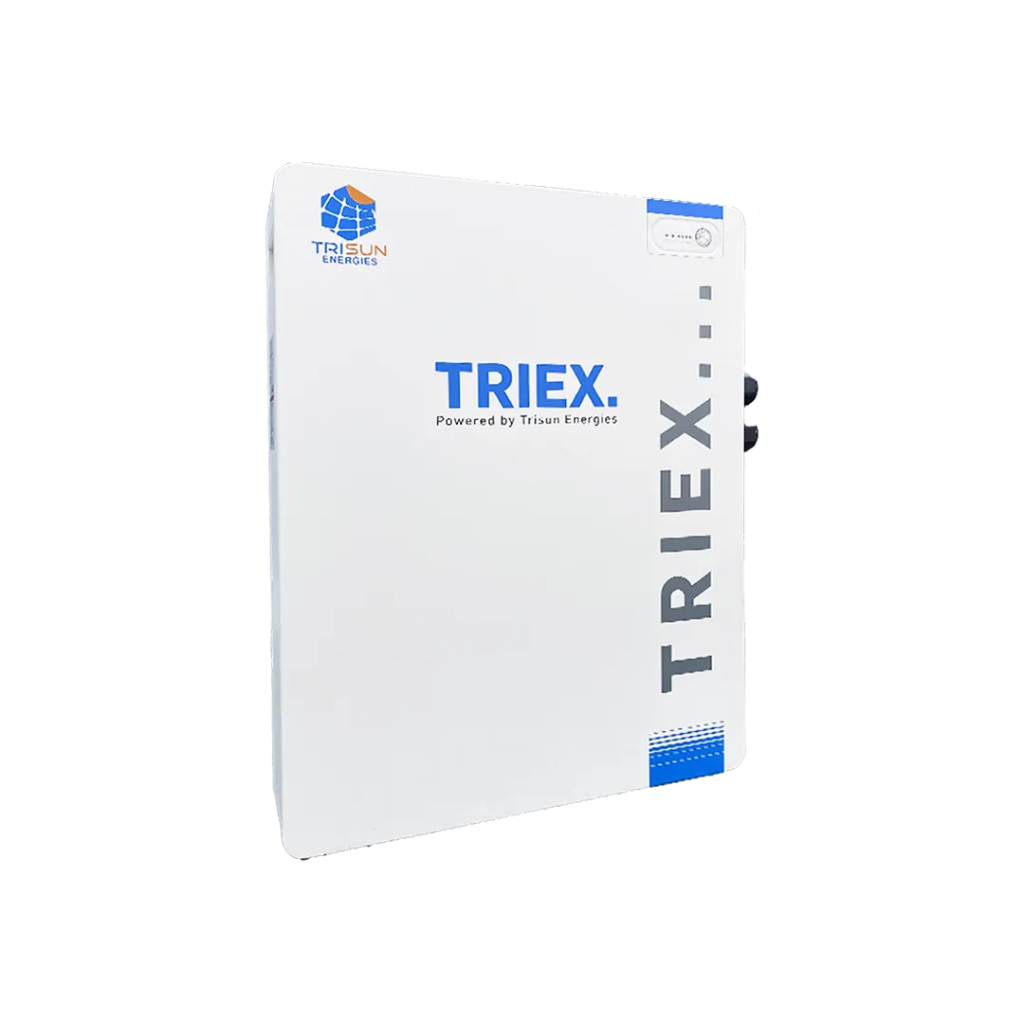
If you are installing a hybrid system, batteries are just as important as panels and inverters. Some batteries are cheaper but require more maintenance and have a shorter life. Others are more expensive but last longer and perform better.
For homes facing frequent power cuts, modern batteries provide better backup, faster charging, and long-term reliability. A well-planned battery setup completes the best solar system in Pakistan.
Net Metering: Helpful but Not Everything
Net metering allows you to send additional produced solar electricity back to the national grid and reduce your monthly bill. While this is a great benefit, it should never be the only reason to install solar. Reliable power, backup, and system stability should always come first.
Common Mistakes Homeowners Should Avoid
Many homeowners make the mistake of choosing the cheapest system available while others ignore backup needs, after-sales support, or future expansion. Moreover, poor installation quality and lack of proper guidance often lead to long-term problems. The best solar system in Pakistan is installed by professionals who understand local conditions and provide proper support.
Final Thoughts: Best Solar System in Pakistan for Homes in 2025
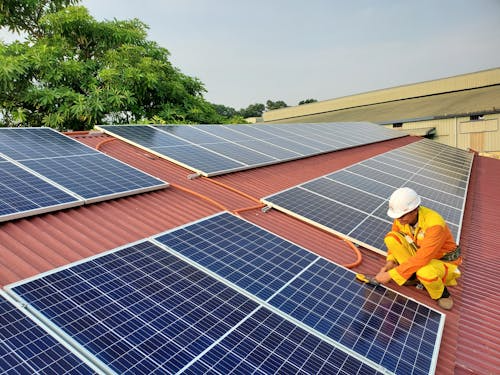
For most homes in Pakistan, the best choice in 2025 is a hybrid solar system with the right inverter, proper batteries, and correct system sizing. This setup reduces electricity bills, provides backup during load shedding, and offers peace of mind for years to come. Solar energy is no longer a luxury, it’s a necessity. But it only works when you choose the best solar system in Pakistan, not just any solar system.
FAQS
1. What is the best solar system in Pakistan for homes?
A hybrid solar system is usually the best choice, as it provides solar power during the day and battery backup during load shedding.
2. Can solar systems run ACs in Pakistan?
Yes, if the system has a strong inverter and proper batteries, a hybrid system can run ACs smoothly.
3. How do I know the right size of solar system for my home?
Check your monthly electricity usage on your WAPDA bill.
Approximate sizing:
- -3kW → Small load
- -5kW → Medium home with 1 AC
- -10kW → Large home with multiple ACs
A professional assessment is recommended to ensure the system meets your actual load.
4. How much does a solar system cost for a home in Pakistan?
The cost depends on the system size and type:
- -Small home (basic load): ~3kW system
- -Medium home (1 AC, appliances): ~5kW system
- -Large home (multiple ACs, full load): ~10kW system
A proper site visit is always recommended before finalizing the quotation.
5. Does Trisun Energies provide home visits and quotations?
Yes, they visit your home or site, calculate your total load, and give a customized quotation for your needs.
Reach us at:
Number: 0311 1306666
Email: info@trisunenergies.com
Website: trisunenergies.com