
Pakistan’s solar market is evolving rapidly. After policy changes introduced by the National Electric Power Regulatory Authority (NEPRA), many consumers are transitioning from net-metering to net-billing. This shift has created confusion about savings and return on investment.
So, is solar still worth it in Pakistan after net-billing policy changes?
The answer is yes, especially if you choose the right system.
Understanding the Shift from Net-Metering to Net-Billing
Under net-metering, exported electricity was credited at nearly the same rate as imported electricity. This made exporting excess solar power highly beneficial.
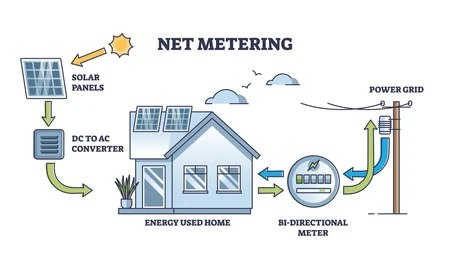
With net-billing, exported units are purchased at a lower rate, while imported grid units are charged at higher tariffs. This reduces the financial benefit of sending extra electricity back to the grid.
However, solar has not lost its value, the strategy simply needs to change.
Why Solar Still Makes Financial Sense
Electricity tariffs in Pakistan continue to increase due to fuel adjustments and economic pressures. When you generate your own electricity, you protect yourself from these rising costs.
Every unit you produce and consume yourself directly reduces your monthly bill. Instead of relying on exports for savings, the focus is now on maximizing self-consumption.
Solar remains a long-term investment that offers stable energy costs for 20–25 years.
Why Hybrid Solar Systems Are Now the Smartest Choice
Hybrid solar systems have become the most practical solution under net-billing.
A hybrid system combines solar panels, grid connectivity, and battery storage into one intelligent setup. Instead of exporting excess electricity at lower rates, the system stores surplus energy for later use.
This means:
- 1. You use stored solar energy at night
- 2. You reduce grid usage during peak hours
- 3. You avoid expensive imported units
- 4. You stay protected during load shedding
Hybrid systems shift the advantage back to the consumer by maximizing internal energy usage.
The Power of Triex Lithium Batteries
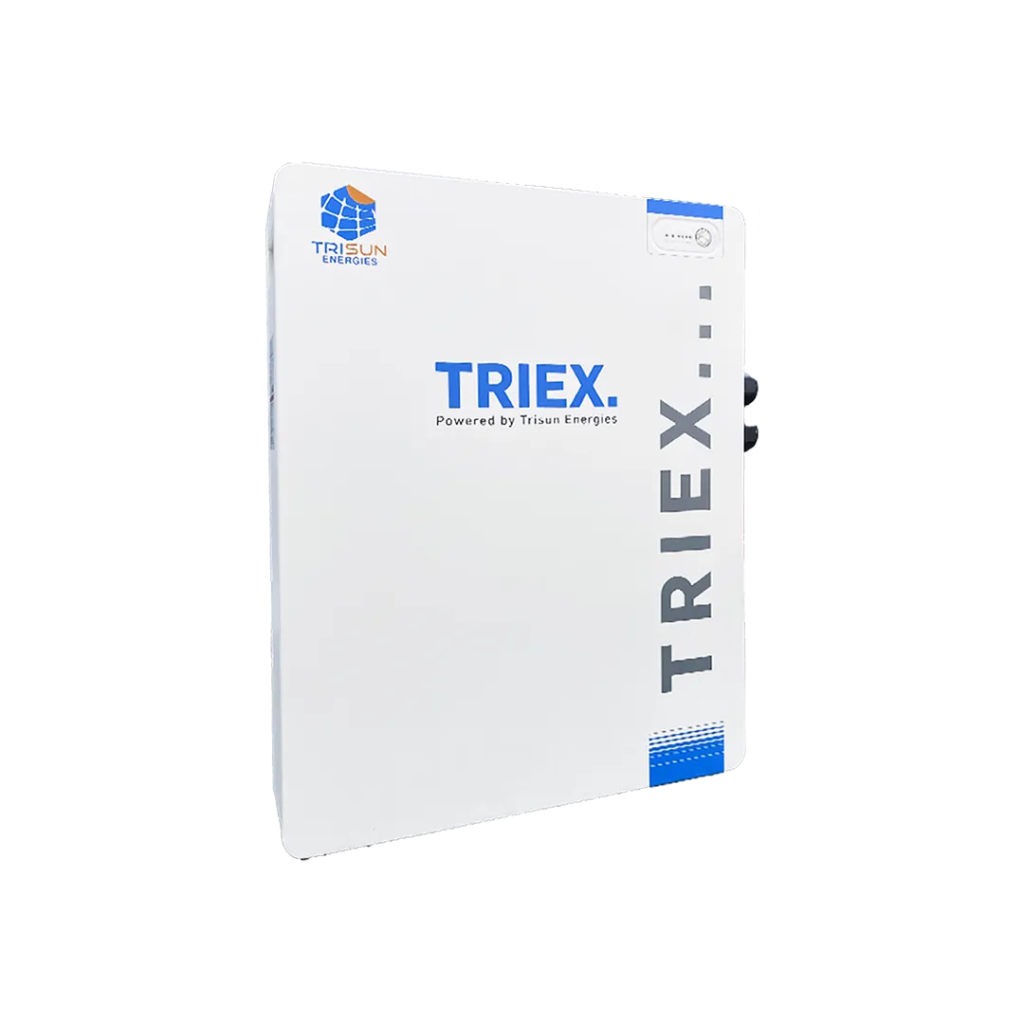
Battery storage is the backbone of an effective hybrid system. This is where Triex lithium batteries make a major difference.
Triex lithium batteries offer higher efficiency, faster charging, and longer lifespan compared to traditional battery options. Their deeper discharge capability allows you to use more stored energy without damaging the battery, resulting in longer backup hours.
They are designed to perform reliably in Pakistan’s temperature conditions and provide stable output for homes and businesses alike. With intelligent charging and energy management, Triex lithium batteries ensure that excess daytime solar energy is efficiently stored and ready for use when needed most.
This combination significantly increases savings and reduces dependence on the grid.
Energy Independence in a Changing Policy Environment
Net-billing may have reduced export profits, but it has increased the importance of energy independence.
With a properly sized hybrid solar system and Triex lithium battery storage, you can:
- 1. Control your electricity costs
- 2. Minimize exposure to tariff hikes
- 3. Ensure uninterrupted power supply
- 4. Maximize return on investment
Solar is no longer about earning from exports. It is about securing your own reliable energy source.
Final Verdict: Is Solar Still Worth It?
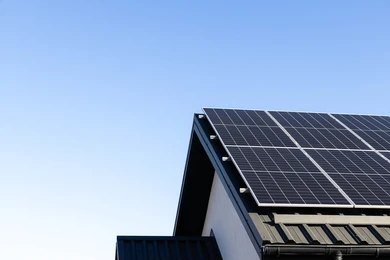
Yes, solar is still worth it in Pakistan after net-billing policy changes.
The key is choosing a hybrid solar system supported by advanced lithium battery storage. When designed correctly, this setup ensures long-term savings, stability, and freedom from grid uncertainty.
In today’s energy landscape, hybrid solar with Triex lithium batteries is not just an option, it is the smartest path toward true energy independence.
FAQs
1. Is hybrid solar better than on-grid after net-billing?
Yes. Hybrid systems allow you to store excess energy instead of exporting it at lower rates, increasing savings.
2. Why choose lithium batteries for solar?
Lithium batteries offer longer lifespan, deeper discharge, faster charging, and higher efficiency compared to traditional batteries.
3. Does a hybrid system protect against load shedding?
Yes. Stored battery power ensures uninterrupted electricity during outages.
4. Is solar still profitable in Pakistan in 2026?
Yes. With rising electricity tariffs, solar remains a strong long-term investment, especially with hybrid systems.