

Envision a country that uses solar energy not only to meet its energy needs but also to reshape its economy and relationship with the environment. The tale of solar energy in Pakistan is one of innovation, resilience, and audacity to welcome a future driven by the sun’s boundless brilliance.
Join us on this illuminating journey as we unveil the costs, reveal the incentives, and explore the benefits that solar energy holds. From the busy streets of Lahore to the peaceful landscapes of Gilgit-Baltistan, the sun’s energy is waiting to be harnessed, showcasing a future where sustainability meets affordability.
Are you ready to embark on this radiant switch into the world of solar energy?
Installation Costs:

A solar panel system installation requires a significant upfront investment, but these costs have decreased over the years. The solar installation expenses comprises various factors including the system size, type of panels, and labour expenses.
Estimatedly, a residential solar cost between PKR 500,000 to PKR 1,500,000.
For Instance:
Consider a 5-kilowatt solar system, which can power a typical household. With installation costs around PKR 800,000, this investment can be easily recovered through energy savings over time.
Government Incentives:

The Pakistani government recognises the benefits of solar energy and offers numerous incentives to encourage switching to solar power. Government incentives for solar include subsidies, tax breaks and net metering policies, which permit consumers to sell excess energy back to the grid.
Moreover, the government has introduced another important policy mechanism, Feed-in Tariffs (FiT). For solar energy produced over a predetermined time period, the government guarantees a fixed price under FiTs. This mechanism makes solar energy projects financially feasible and appealing by giving investors long-term price certainty. The goal of the government’s FiT programme is to encourage the production of solar power in order to boost private sector involvement and raise the proportion of solar energy in the overall energy mix.
For Instance:
If the government offers a 30% subsidy on solar installations, the initial heavy investment for the 5-kilowatt system mentioned earlier would potentially be reduced by PKR 240,000.
Quality of Components:
The quality of solar solution components including solar panels, inverters, and batteries determine the system’s longevity and performance.
Premium quality components are better performing, more durable, and have longer warranties.
While upfront cost may be high, investment reputable and reliable brands yield long-term returns on investment.
Costs of Operation and Maintenance:

Although solar panels require little maintenance, there are certain costs associated with operation. These costs include routine system inspections, inverter maintenance, and periodic cleaning.
For instance: Residential solar panel systems may require a maintenance of PKR 10,000, each year to ensure maximum performance.
Conclusion:
Thanks to a wide range of solar financing options available, using solar energy is becoming more and more accessible in Pakistan. Businesses and individuals can find customised solutions to finance their solar projects.
Because of these financing options, installing solar panels is now a viable and affordable option by reducing the upfront costs. The abundance of funding options, coupled with the increasing focus on sustainability, encourages more Pakistanis to adopt clean and renewable energy solutions.
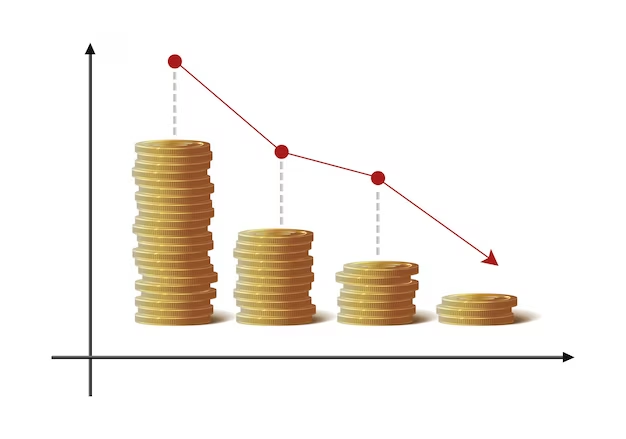
The prospect of solar power in Pakistan is becoming more and more attractive as the cost of solar energy keeps going down and government incentives get better. Solar energy investments not only offer large long-term savings, but they also place people and companies in a position to contribute to a future that is more environmentally friendly and sustainable.
Are you prepared to embrace solar energy in Pakistan and realise the full potential of the sun?
Schedule a free consultation today!
Number: 0311 1306666
Email: info@trisunenergies.com
Website: trisunenergies.com