
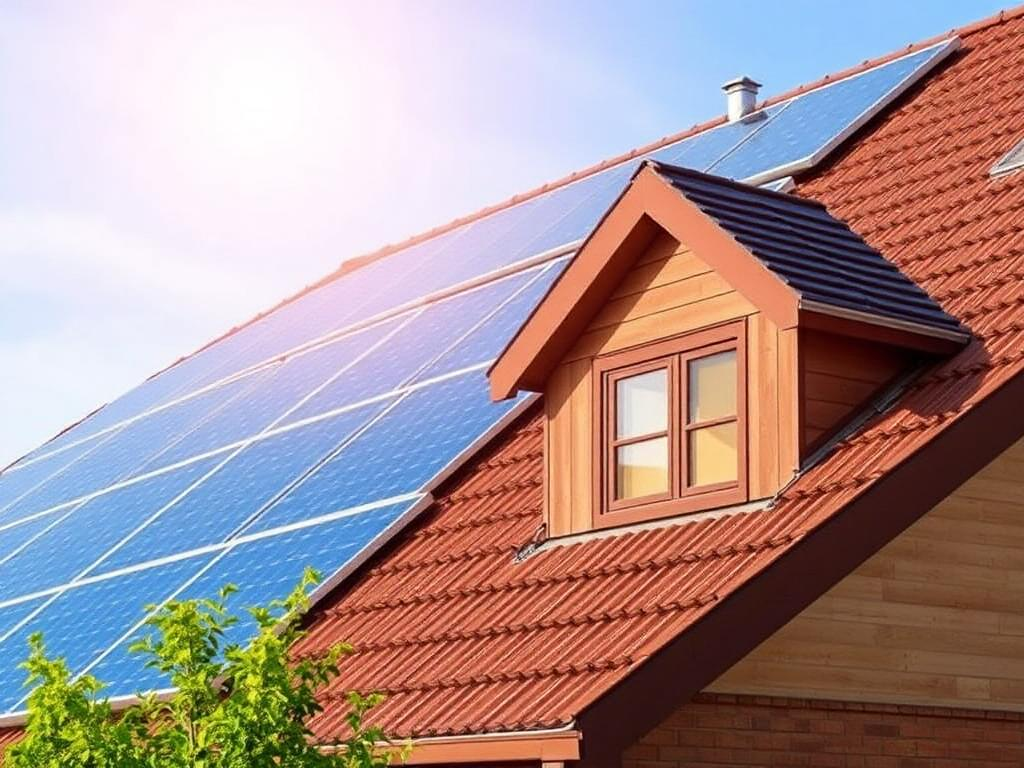
People know solar solutions reduce electricity bill, but do you ever wonder how? This is not as complicated as it seems. Solar panels generate their own energy, so less electricity is typically taken from the local grid. Your monthly energy bills reflect this decreased reliance on the grid.
Your energy bill savings are directly impacted by a few factors, such as the size of your solar panel installation and the amount of sunlight you receive. This blog will explain how solar panel systems change your electricity bill.
The Fundamentals Solar Panel Systems
Solar panels, made up of photovoltaic cells, capture sunlight and generate an electric current. The electric current is converted into AC (Alternating Current) from DC (Direct current), as AC current is safe for appliances. Solar energy meets your electrical needs hence you require less energy from the grid, directly reducing electricity bill. Additionally, depending on the size of your solar system and your energy needs, you might be able to generate enough energy to eliminate your electricity cost. Different kinds of solar systems are present including off-grid, on-grid and hybrid systems, which you can select as per your energy needs.
Comprehending The Concept Of Net Metering
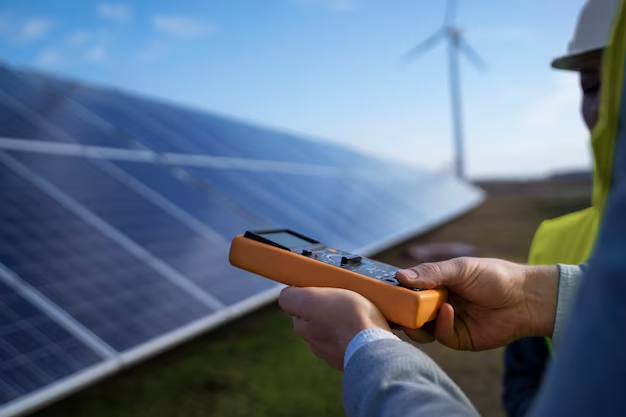
Net metering is a familiar term to people having solar knowledge. Net metering plays a major role in the reduction of monthly electric bills due to solar energy. By using net metering, any surplus electricity produced by your solar panels is sent back into the grid. In return, the utility company gives you credits that can be used to offset the electricity consumed during night or cloudy days, when the solar panels are not able to provide sufficient power.
As an example, say, if the amount of power consumed during the day is less than the amount of energy produced by solar panels, in such a case your bill will be reduced – in other words, this surplus is sent into the electric grid. It ensures that each watt used from the solar panels will lower the energy bill because it is done by means of net metering.
Furthermore, solar panels help you to generate your electricity, reducing your dependence on the grid. This is especially beneficial in areas where electricity rates are high. Instead of paying heavy sums to your utility company, you’re investing in a renewable energy source that pays for itself over time.
Seasonal Variations in Savings

Solar panels reduce monthly electricity bill slightly differently throughout the year, depending on the season of the year. For example, sunlight is abundant during summer so panels generate a higher amount of electricity, potentially leading to zero or even negative bills, thanks to net metering. Whereas, during winter, shorter days and less sunlight may slightly reduce your savings, but your bill will still be much lower than without solar panels.
Upfront Investment, Long-Term Savings
People often focus on just the initial cost of installing solar panels, which is no doubt high, however, they don’t take into account the long-term savings they offer that outweigh this expense. Most homes and businesses have seen a massive reduction in their electricity bills within just the first month of installation. Over time, these savings can lead to huge savings, making solar panels a financially wise decision.
Factors Influencing Solar Panels’ Impact on Your Bill

As highlighted above, several factors determine how much solar panels impact your monthly electricity bill:
Size of Solar System: A larger solar system can generate higher amount of electricity, covering a greater portion of your energy needs.
Energy Consumption: Your savings depend on how much electricity you consume daily.
Location and Sunlight Exposure: Areas with more sunlight naturally benefit more from solar panels.
Utility Rates: Higher utility rates mean greater potential savings with solar energy.
Local Incentives and Solar Rebates in Pakistan
The government of Pakistan has introduced numerous incentives and rebates to encourage the adoption of solar energy, increasing its affordability and accessibility for homes and businesses. The government introduced the Alternative and Renewable Energy (ARE) Policy, which exempts solar products such as panels and batteries from sales tax. Therefore, reducing upfront costs for users. Furthermore, the State Bank of Pakistan (SBP) offers a solar financing scheme with an interest rate of 6% per annum and a repayment time of up to 10 years, enabling more individuals to afford solar installations (SBP, 2024). Furthermore, provincial governments like Punjab and Sindh have launched targeted subsidy programs to expand solar access in rural areas (FBR, 2024; Punjab Energy Department, 2024). These measures, combined with ensures that solar energy remains an economically viable and environmentally sustainable option for Pakistanis.
Making the Switch to Solar
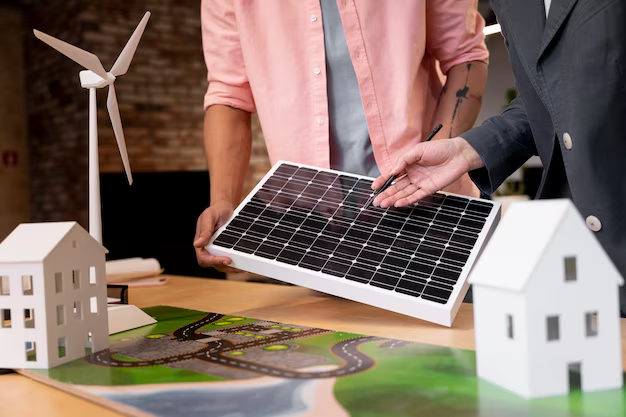
If you’re considering going solar, it’s important to understand the way solar panels impact your monthly electricity bill. You must consult one of top solar companies in Pakistan to evaluate your home’s energy needs and calculate potential savings. Afterwards, you can switch to solar with them. Many companies offer financing options to make the transition easier and more affordable.
Conclusion

Your monthly electricity bill can be reduced to zero by solar solutions because they drastically lower your energy expenses. Households and businesses can benefit from long-term financial savings and help create a more sustainable future by using systems like net metering and reduced grid dependency. Now is the ideal moment to make the switch to solar energy. You will have to pay reduced electricity bill, if you let your roof handle the task!
Reach us at:
Number: 0311 1306666
Email: info@trisunenergies.com
Website: trisunenergies.com