
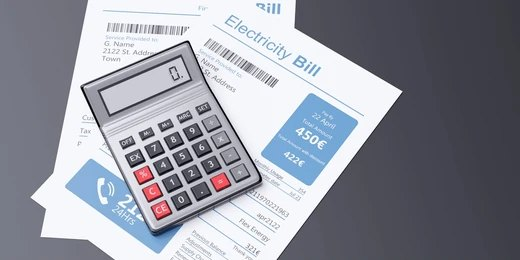
Every month in Pakistan, the same fear hits before opening the electricity bill.
“Is dafa kitna zyada aaya hoga?”
Rising units, extra taxes, fuel adjustments, it feels like a never ending loop. This is why the idea of a zero electricity bill with solar feels like a dream. But is it actually possible, or just a marketing claim? Let’s talk honestly without any exaggeration, without any false promises.
The Reality Behind a Zero Electricity Bill
Yes, zero electricity bills are possible with solar in Pakistan but only when the solar system is properly designed and correctly used.
A solar system doesn’t magically erase your electricity bill overnight. What it does is produce your own electricity using sunlight, reducing or completely replacing your dependence on traditional grid like WAPDA. When your solar system generates more electricity than you consume, your meter records exports, and that’s where the magic happens.
Homes using net metering often see bills as low as Rs. 0.
And when people see their bill showing “Payable Amount: 0”, the feeling is priceless.
What Makes a Zero Bill Possible?
It’s not just about installing panels. A zero bill depends on three major factors.
First is system size. A small system cannot power a large home. For example, a house running ACs, refrigerator, washing machine, and lights daily usually needs a 5kW or higher system.
Second is net metering approval. Without net metering, excess units go to waste. With it, extra units are sent back to the grid and adjusted in your bill.
Third is usage behavior. Homes that shift heavy usage to daytime (when solar is producing) benefit the most.
Solar rewards smart usage, not careless consumption.
What About Load Shedding and Night Time?
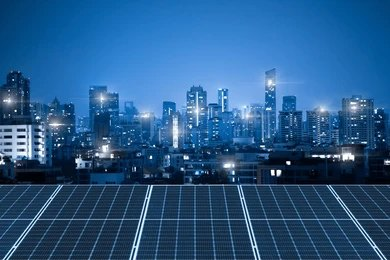
This is where many people get confused but don’t worry we’ll explain to you.
Solar panels produce electricity during the day. At night or during load shedding, you need batteries or a hybrid inverter to continue using power. Homes that rely only on net metering may still see small bills if nighttime usage is high.
That’s why hybrid solar systems are becoming popular in Pakistan. They combine solar panels, batteries, and grid power, providing comfort and savings.
Why People Switch to Solar
People don’t switch to solar just for savings.
They switch because:
- 1.They’re tired of load shedding
- 2.They’re done with unpredictable bills
- 3.They want control over their electricity
- 4.They want peace of mind
There’s a different kind of relief when fans run, AC works, and lights stay on without fear of the next bill.
Conclusion
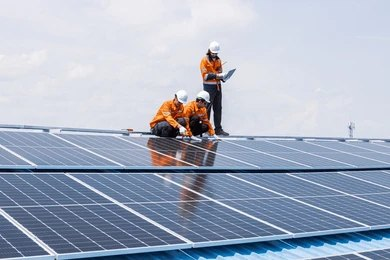
A zero electricity bill with solar is not a fantasy, it is a practical reality for many Pakistani homes today. When the solar system is properly sized, net metering is approved, and energy is used wisely, solar can completely change the way you experience electricity. Beyond savings, it offers relief from rising tariffs, protection from load shedding, and the comfort of knowing your home is powered independently. Solar is not just about producing energy; it’s about gaining control, stability, and long-term peace of mind. In a country where electricity costs keep increasing, switching to solar is no longer a luxury, it’s a smart decision.
FAQs – Most Asked Questions
Can solar really make my bill zero?
Yes, with correct system sizing and net metering, many homes achieve zero bills.
Do I still need WAPDA after installing solar?
Yes, for net metering and backup unless you go fully off-grid.
Is zero bill possible in winter too?
Yes, but production may reduce slightly. Proper system planning balances this.
What if my usage increases later?
Your bill may increase unless you upgrade your system.
Is battery necessary for zero bills?
Not mandatory, but batteries help reduce night-time imports.